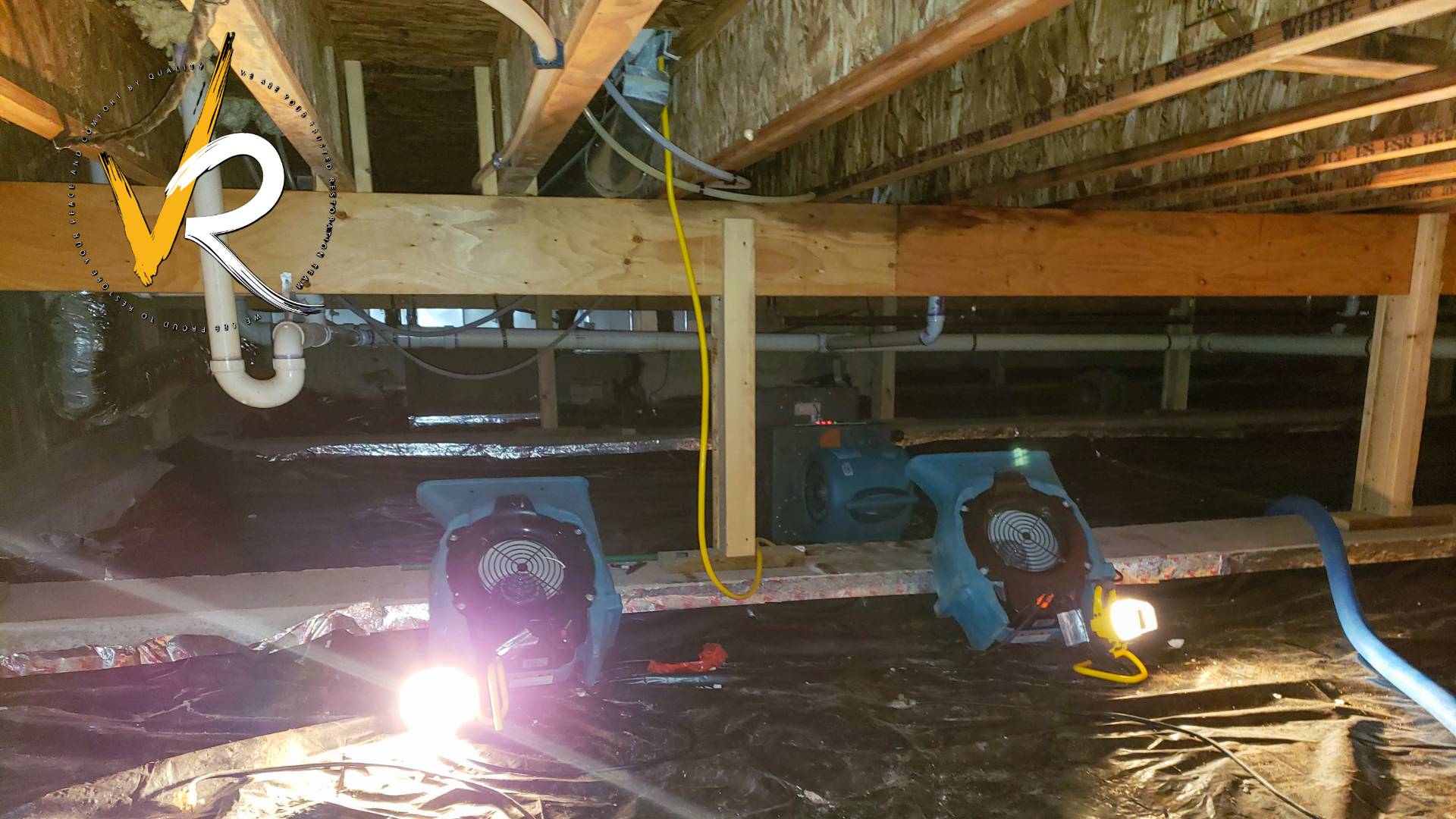
Heavy rain can create serious flooding problems for homes in West Vancouver, especially when soil becomes saturated and water begins collecting around foundations, basements, window wells and lower levels of a property.
West Vancouver includes many hillside properties, older homes and neighbourhoods where drainage conditions can vary from one property to another. During prolonged rainfall, water may move downhill, collect around foundations or enter through cracks, drainage systems, roofs and other vulnerable areas.
This guide explains the common causes of West Vancouver flooding, the warning signs homeowners should watch for, what to do after heavy rain and how to reduce the risk of additional property damage.
If your property has already been affected by flooding or water intrusion, visit our water damage restoration in West Vancouver page for information about emergency water extraction, moisture detection, structural drying and restoration services.
Why Does Flooding Happen in West Vancouver?
Flooding does not always mean a large amount of water suddenly enters a home. In many cases, the problem begins with slow water intrusion during or after prolonged rainfall.
Rainwater can collect in soil around a property, travel downhill or overwhelm drainage systems. Once water finds a weak point, it may enter through foundation cracks, basement walls, windows, doors, roofs or other openings.
Some common factors that can contribute to flooding include:
- Heavy or prolonged rainfall
- Saturated soil
- Hillside runoff
- Poor grading around the property
- Clogged gutters or downspouts
- Foundation drainage problems
- Basement or foundation cracks
- Window well drainage problems
- Sump pump failure
- Roof or building envelope leaks
- Sewer or floor drain backups
How West Vancouver Hillside Properties Can Be Affected by Heavy Rain
Many West Vancouver neighbourhoods contain homes built on slopes or near elevated terrain. During heavy rain, water naturally moves downhill and can collect around lower sections of a property.
Homes in areas such as British Properties, Chartwell, Canterbury and other hillside neighbourhoods may experience water moving toward retaining walls, garages, foundations and basement levels.
Good exterior drainage is important because water that remains near the foundation can eventually find cracks, joints or other entry points.
Can a Basement Flood Even After the Rain Stops?
Yes. Basement water does not always appear while rain is actively falling.
Water can continue moving through saturated soil for hours after a storm. Groundwater levels may also continue rising after rainfall ends.
This means a basement can appear completely dry during the storm and begin showing moisture later.
We explain this in more detail in our guide about why a basement can leak hours after the rain stops .
Common Signs of Flooding or Water Intrusion
Water intrusion is not always obvious. Some homeowners discover a large amount of standing water, while others notice smaller warning signs.
Watch for:
- Water collecting along basement walls
- Wet or swollen baseboards
- Water stains on drywall
- Bubbling or peeling paint
- Dark areas on concrete floors
- Warped hardwood or laminate
- Wet carpet or padding
- Musty or damp odours
- Water around basement windows
- Moisture appearing through floor cracks
- Water around a floor drain
These signs should be investigated because the visible moisture may represent only part of the affected area.
Water Coming Through the Basement Floor
Sometimes water appears to come directly through the concrete floor.
This may happen when groundwater pressure builds underneath the basement slab and water finds a path through cracks, joints or other openings.
Water may also appear around the perimeter where the wall and floor meet.
If you are experiencing this problem, read our guide about why water may be coming up through your basement floor .
Foundation Cracks and Heavy Rain
Small foundation cracks may remain dry during normal weather but begin leaking when the soil around the property becomes heavily saturated.
Water can slowly move through cracks and enter finished basement areas.
If moisture repeatedly appears in the same location after heavy rain, the area should be inspected to determine where the water is entering.
Window Wells and Basement Windows
Basement windows can become vulnerable when exterior drainage cannot move rainwater away quickly enough.
Leaves, soil and debris can also reduce drainage around window wells. During heavy rain, water may begin collecting near the window and eventually enter around the frame or surrounding wall.
After a major storm, check basement window wells for standing water and signs of poor drainage.
Gutters and Downspouts Can Contribute to Basement Flooding
Gutters and downspouts are designed to move roof water away from the home.
When gutters are blocked or downspouts discharge too close to the foundation, a large amount of rainwater can collect beside the house.
Over time, this can increase moisture around basement walls and contribute to water intrusion.
Keeping gutters clear and directing downspouts away from the foundation are simple maintenance steps that can help reduce this risk.
Why Poor Grading Can Cause Water Problems
The ground immediately around a home should generally direct surface water away from the foundation.
If soil slopes toward the building, rainfall may collect beside basement walls instead.
This becomes especially important during prolonged rain when the surrounding soil is already saturated.
Sump Pump Problems During Heavy Rain
Properties with sump pumps depend on those systems to manage groundwater.
During significant rainfall, a sump pump may need to operate frequently. Problems can occur when the pump loses power, becomes blocked, fails mechanically or cannot keep up with the amount of incoming water.
Homeowners with sump pumps should test and maintain them regularly, especially before the wetter months.
Can Heavy Rain Cause Sewer Backup?
Drainage and sewer systems can sometimes become overwhelmed during major rainfall events.
If water begins backing up through a basement floor drain and has an unusual smell, colour or visible debris, avoid direct contact.
Water associated with sewage can contain contaminants and requires additional cleaning and safety precautions.
Roof Leaks Can Also Cause Flood Related Damage
Not all storm related water damage begins in the basement.
Wind driven rain can enter through damaged roofing, flashing, skylights or other vulnerable areas. Water can then move through attic insulation, walls and ceilings before becoming visible inside the home.
A ceiling stain may appear far away from the original roof entry point because water can travel along framing and other building materials.
Water Can Remain Hidden After the Storm
One of the biggest risks after flooding is assuming everything is dry because standing water is gone.
Moisture can remain inside:
- Drywall
- Insulation
- Wood framing
- Hardwood flooring
- Laminate flooring
- Carpet padding
- Baseboards
- Cabinetry
- Wall cavities
These materials may remain wet even when their surfaces appear dry.
How to Check for Hidden Moisture After Flooding
Homeowners can begin by looking for visible changes such as stains, bubbling paint, swollen materials and musty odours.
Professional restoration technicians may also use moisture meters and thermal imaging to investigate areas where moisture may be hidden.
If painted drywall was exposed to water, read our guide about how to know if drywall is still wet behind paint .
Water Can Travel Under Flooring
Water from a flood or leak can move underneath finished flooring through seams, edges and gaps.
Hardwood may begin to cup or buckle. Laminate may swell around the seams. Carpet padding can remain wet even when the surface carpet begins feeling dry.
If you suspect this problem, read our guide on how to tell if water is trapped under your floor .
What Should You Do After Basement Flooding?
Safety should always come first.
- Do not enter standing water near electrical equipment.
- Stop the source of water if it can be done safely.
- Keep children and pets away from contaminated water.
- Move valuables away from wet areas when safe.
- Take photographs and videos of the affected areas.
- Check the sump pump if your property has one.
- Look for obvious exterior drainage problems.
- Arrange water extraction when significant standing water is present.
- Check surrounding walls and floors for hidden moisture.
How Quickly Should a Wet Basement Be Dried?
Drying should begin as soon as reasonably possible after the source of the water has been controlled.
The amount of time required depends on how much water entered the property, which materials became wet, indoor humidity, airflow and other conditions.
A small wet area may dry relatively quickly, while a heavily affected basement may require professional drying equipment and moisture monitoring.
For more information, read our guide on how to dry a wet basement before mold develops .
Can Flooding Lead to Mold?
Persistent moisture can create conditions that support mold growth.
Basements can be particularly vulnerable because they often have lower airflow and higher humidity than upper areas of a home.
Mold may develop on drywall, wood, carpet, insulation, cardboard and other materials if moisture remains.
If you suspect mold after flooding, learn more about our mold remediation services .
What About Water Damage to Hardwood Floors?
Hardwood can absorb moisture quickly.
After flooding, boards may begin cupping, crowning, separating or buckling. Moisture may also remain underneath the hardwood and affect the subfloor.
Whether flooring can be restored depends on the amount of water, how long it remained wet and the condition of the materials underneath.
Should You Remove Wet Drywall After Flooding?
Not every piece of wet drywall automatically needs to be removed.
The decision depends on the amount of moisture, the source of the water, the condition of the drywall and whether contamination or structural damage is present.
Drywall that is heavily saturated, soft, damaged or contaminated may require removal.
What If Flood Water Reaches Electrical Areas?
Avoid entering standing water if electrical outlets, appliances, wiring or electrical panels may be affected.
Do not attempt to handle electrical equipment while standing in water. Appropriate electrical professionals may need to assess affected electrical systems before an area is considered safe.
What Should You Check Outside After Heavy Rain?
Once conditions are safe, inspecting the exterior of your property can sometimes reveal potential sources of water intrusion.
Check:
- Gutters for blockages
- Downspout discharge locations
- Standing water near the foundation
- Basement window wells
- Visible foundation cracks
- Areas where soil slopes toward the home
- Roof drainage
- Exterior drains
Flooding Risks for West Vancouver Neighbourhoods
The cause of flooding can differ depending on the property and surrounding terrain.
Homes throughout West Vancouver, including Ambleside, Dundarave, British Properties, Chartwell, Caulfeild, Eagle Harbour, Gleneagles, Horseshoe Bay, Sentinel Hill and surrounding neighbourhoods, may experience different combinations of rainfall, slope, drainage and building conditions.
Rather than assuming every flooding problem has the same cause, the source should be identified before repairs are planned.
How Can Homeowners Reduce Flood Risk Before the Next Storm?
Not every flood can be prevented, but regular maintenance can reduce some common risks.
- Clean gutters regularly
- Direct downspouts away from the foundation
- Keep exterior drains clear
- Remove debris from window wells
- Check the sump pump periodically
- Inspect visible foundation cracks
- Watch for recurring damp areas
- Check grading around the home
- Inspect the property after major storms
When Should You Call a Restoration Company?
A small amount of clean surface water may sometimes be manageable, but professional assessment should be considered when water has spread into building materials or the source is unclear.
Consider professional help if:
- Standing water is present
- The basement has flooded
- Water keeps returning after rain
- Drywall or insulation became wet
- Water moved underneath flooring
- You notice persistent musty odours
- The water may contain sewage
- Multiple rooms are affected
- You cannot determine how far moisture travelled
If your West Vancouver property needs professional assistance after flooding, visit our West Vancouver water damage restoration service page to learn about extraction, moisture detection, structural drying and restoration.
Frequently Asked Questions About West Vancouver Flooding
Why does my basement flood after heavy rain?
Heavy rain can saturate the soil around a foundation and increase groundwater pressure. Water may then enter through foundation cracks, floor joints, window wells or other vulnerable areas.
Why does basement water appear after the rain stops?
Rainwater can continue moving through saturated soil after a storm. Groundwater pressure may therefore continue increasing for several hours after rainfall ends.
Can hillside runoff cause water problems?
Yes. Water naturally moves downhill and can collect around lower portions of hillside properties if drainage does not move it away effectively.
Can water come through a concrete basement floor?
Yes. Water can enter through cracks, joints and other openings when groundwater pressure builds beneath or around the basement slab.
Can flooding cause hidden water damage?
Yes. Moisture may remain behind drywall, underneath flooring, inside insulation and within other building materials after visible water has been removed.
Can basement flooding cause mold?
Persistent moisture can create conditions that support mold growth, particularly on porous materials such as drywall, wood, carpet and insulation.
Should I call my insurance company after flooding?
If you intend to make an insurance claim, document the affected areas and contact your insurance provider. Coverage depends on the cause of the loss and the terms of your individual policy.
What should I do if water keeps returning every time it rains?
Repeated water intrusion usually indicates that an underlying drainage, groundwater, foundation or building envelope issue has not been resolved. The source should be investigated before additional damage develops.
Has Heavy Rain Affected Your West Vancouver Property?
Heavy rain can cause water to appear in basements, around foundations, underneath flooring and inside walls even after the storm has passed.
The most important step is identifying the source and determining how far the moisture has travelled.
If your property has already experienced flooding, VR Plus Restoration provides professional water extraction, moisture detection, structural drying and property restoration throughout West Vancouver.
Learn more about our water damage restoration services in West Vancouver or call 604 800 3900 for assistance.
Leave a Reply